
Preparing for the First DSA Transparency Report
This upcoming DSA transparency report deadline marks the first reporting cycle that must use the European Commission’s new templates.
Here’s what you need to know:
Is this obligation relevant to my online service?
The short answer: If your online service is available to users in the EU, then yes: you are required to publish a transparency report in the reporting format mandated by the EU Commission.
However, the exact content of this report depends on which category your service falls into:
Intermediary services (e.g., internet providers, domain registrars) must publish annual reports as detailed under Article 15.
Hosting services (e.g., cloud storage providers, website hosts) must comply with Article 15 and disclose how they respond to notices from users including flagged content volume and average response time.
Online platforms (e.g., social networks, search engines, marketplaces, multiplayer online games) must report on content removals, user appeals, and comply with Article 24 transparency requirements, such as reporting on notices from trusted flaggers , out-of-court dispute settlement outcomes and actions against repeat offenders.
Since the DSA follows a proportionate approach, micro and small enterprises (≤€10M annual turnover OR ≤50 employees) are exempt unless designated as VLOPs/VLOSEs.
If you are unsure of the category your service falls under, check out Tremau DSA guide!
What does this transparency obligation entail?
While complying with articles 15 and 24 may seem relatively straightforward when looking at the text of the DSA, the specific requirements have been further refined by the EU Commission through a dedicated implementing regulation (the DSA Implementing Regulation for transparency, published in November 2024).
Concretely, this implementing regulation defines a common standardized format, with reporting template, provided in both CSV and XLSX, as well as the reporting periods applicable to all online services operating in the EU.
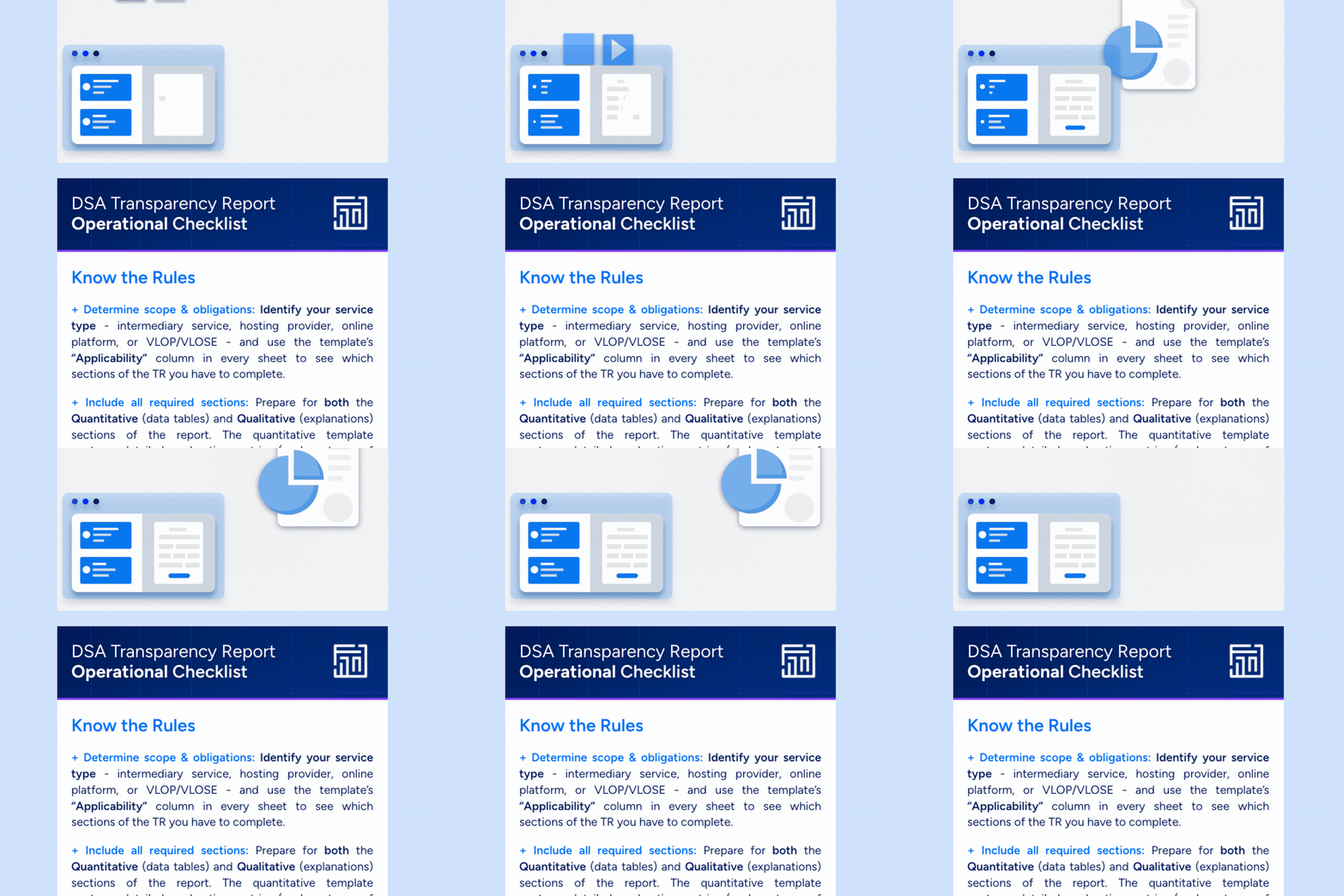
Find out more on what key actions to take and access the full operational checklist.
When is my transparency report due?
As a non-VLOP, you are required to publish your Transparency Report (TR) at least once a year. It should be made available to the public at most two months after the end of the reporting period.
The Implementing Regulation establishes a fixed annual schedule: the transparency reports need to cover a full calendar year (January 1st – December 31st) and will be due at the latest, two months after by February 28th of the following year. Services are expected to standardise their reporting approaches to fully align with the templates provided in the Implementing Regulation
In short:
- Reporting Period: 1 January – 31 December of the relevant year (ex: 2025);
- Publication Deadline: Latest by 28 February of the following year (ex: 2026);
- Format: Mandatory use of the Implementing Regulation templates.
As a non-VLOP, you are required to publish your transparency report at least once a year. It should be made available to the public at the latest, two months after the end of the reporting period.
Turn annual DSA reporting into a one-click routine
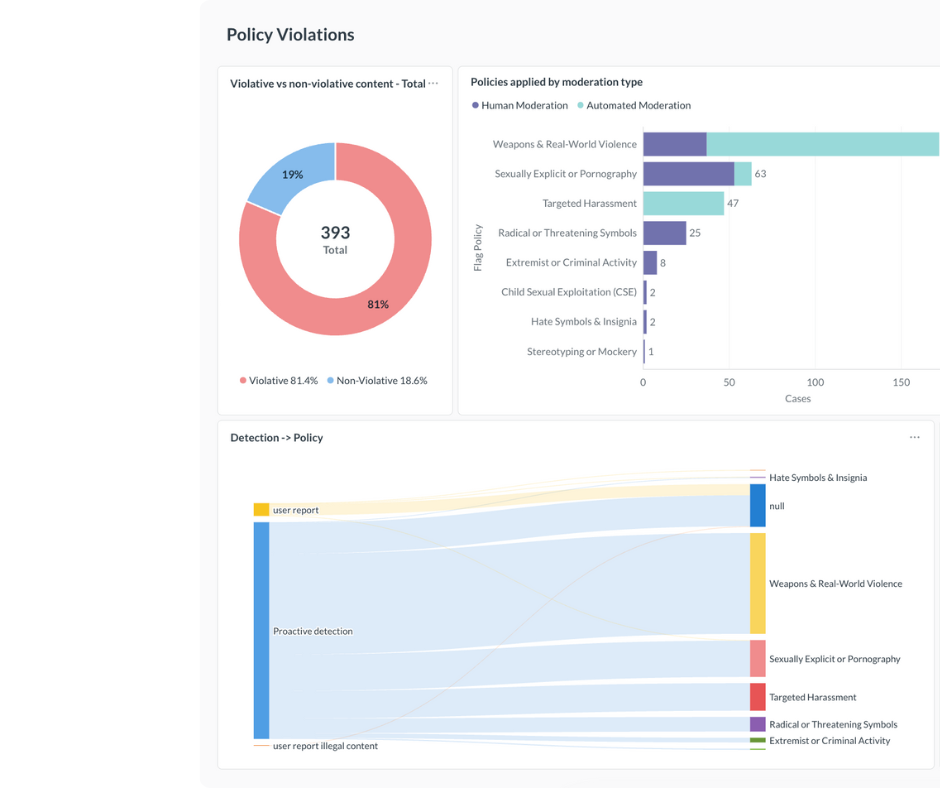
The structure and type of data required to comply with the DSA transparency obligations are very specific and often not tracked by platforms. Nima – end-to-end T&S platforms by Tremau – has a complete EU Digital Services Act compliance layer, so operations automatically align with regulatory requirements and stay audit-ready. Nima automatically generates DSA-compliant transparency reports ready for submission, helping platforms eliminate manual efforts to compile data in every reporting period.
Beyond reporting, Nima’s EU Transparency Database integration automatically generates and submits DSA-compliant Statements of Reasons for every enforcement action in real time. At the same time, it sends SoRs to both the reported account and the reporter via email. Once configured, Nima handles the entire process automatically eliminating manual work and reducing compliance gaps.
Above all, Nima’s purpose-built workflows for DSA processes – including notice-and-action user reporting form (Article 16) and prioritised processing of trusted flagger reports (Article 22), – to embed compliance directly into operations. This ensures regulatory compliance by default rather than requiring custom process design, helping platforms reduce legal exposure, enhance audit readiness, and operate consistently and at scale.
Although compliance can be painful, it is as much a burden as it is an opportunity to improve the existing T&S infrastructure, but this will require you to have the right systems in place.


Recommended
Transparency Reporting: Turning Compliance Burden into Trust & Safety Advantage
Transparency reporting is forcing Trust & Safety (T&S) teams to face a challenge they’ve long worked around: most platforms struggle with the data infrastructure needed to explain moderation decisions at scale. Instead of treating transparency reporting as a headache, T&S teams can use regulatory pressure to build unified data foundations. The result is not just regulatory readiness. It’s more scalable, more proactive, and more measurable T&S operations.Automating DSA Transparency Reporting under the new mandatory template
With the July 1, 2025 deadline to implement the new DSA Transparency Report template fast approaching, learn how Nima helps platforms stay compliantDSA Transparency Reporting – Operational Checklist
Starting 1 July 2025, every platform operating in the EU has to compile its DSA Transparency Report using the new mandatory template issued by the EU Commission. Our DSA and trust and safety resources have guides for users to know what are the steps to take